AI is breaking point-in-time asset inventories

Kamden Schewitz
Product Marketing Manager, Axonius
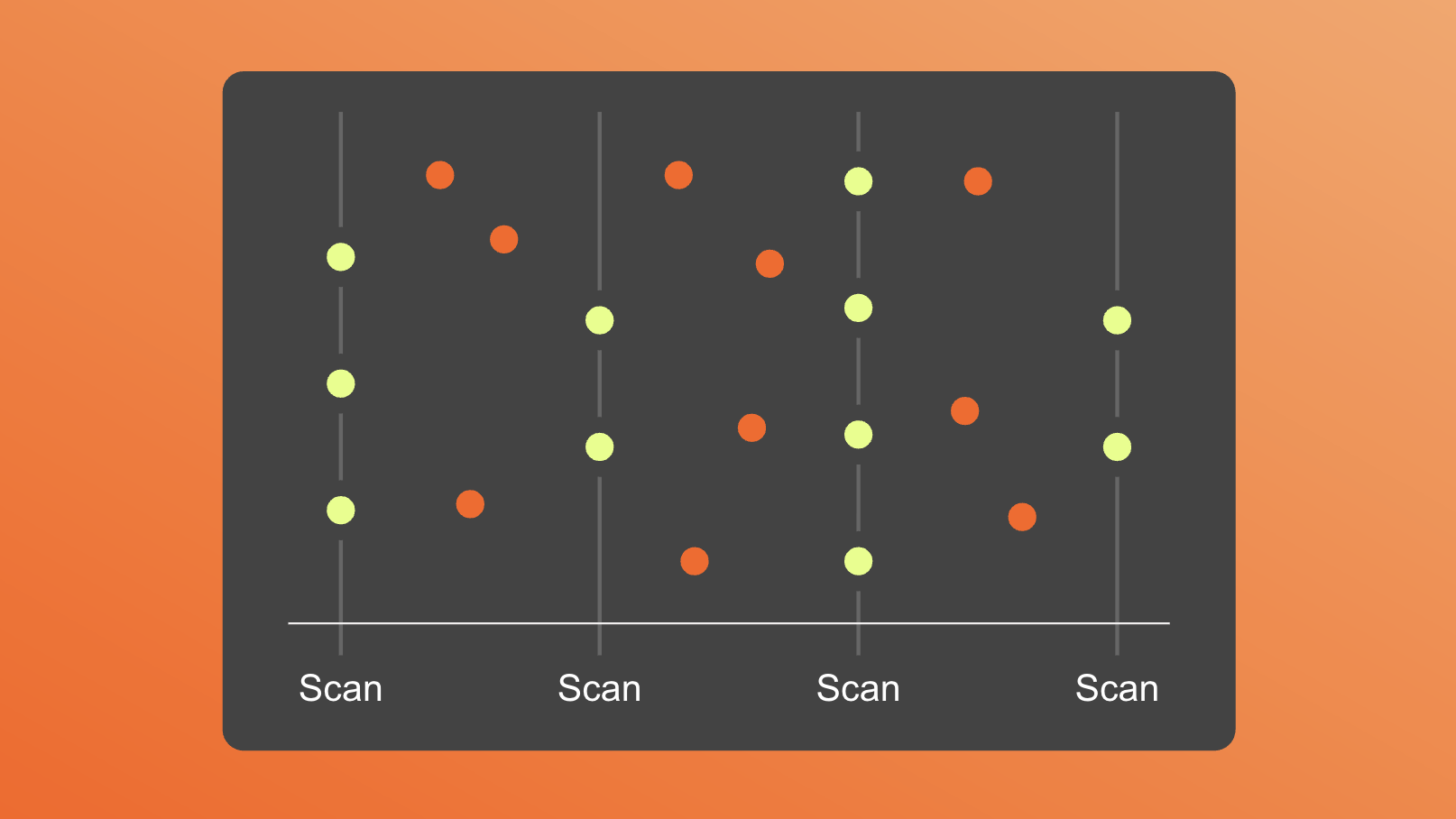
Traditional asset inventories tend to be like photographs. They capture a specific point in time, and generally exclude whatever was outside the frame.
Many security teams still work from these snapshots, collected through some combination of three methods. Each is reasonable. Each was adopted for a defensible reason. Each produces a reading that is partial when taken and aging from then on.
The manual export: Someone pulls endpoint data from CrowdStrike, network devices from SolarWinds, cloud instances from AWS, user accounts from Active Directory, then stitches them together, and works from the file. Spreadsheets remain the most common asset inventory method because they are immediate, flexible, and require minimal approval to use.
The tradeoff is that an export is a copy. It begins diverging from the environment the moment it is created, and nothing in the file indicates how far it has drifted.
The configuration management database: Configuration databases support service management by tracking what a configured item is, who owns it, and what it depends on. For those questions they work well, and they remain the right system of record for service delivery.
Using one to understand security control coverage runs into an architectural limit. Its contents are downstream of organizational process, so anything stood up outside change control is absent, not because the database failed but because nothing informed it.
The tool-native console: The third method is to treat each security tool as authoritative for its own domain. The endpoint platform reports endpoints, the cloud provider reports instances, the identity provider reports accounts, and the scanner reports what it scanned.
These views are more current than exports or ticket-driven records, but each sees only what it is deployed to see. An endpoint agent cannot report machines it was never installed on, leaving the least visible assets, and often the most exposed, outside the inventory.
These three methods share a structure; each produces a partial view, on its own schedule, in its own identifier scheme, with no mechanism for reconciling against the others.
AI is making the status quo indefensible
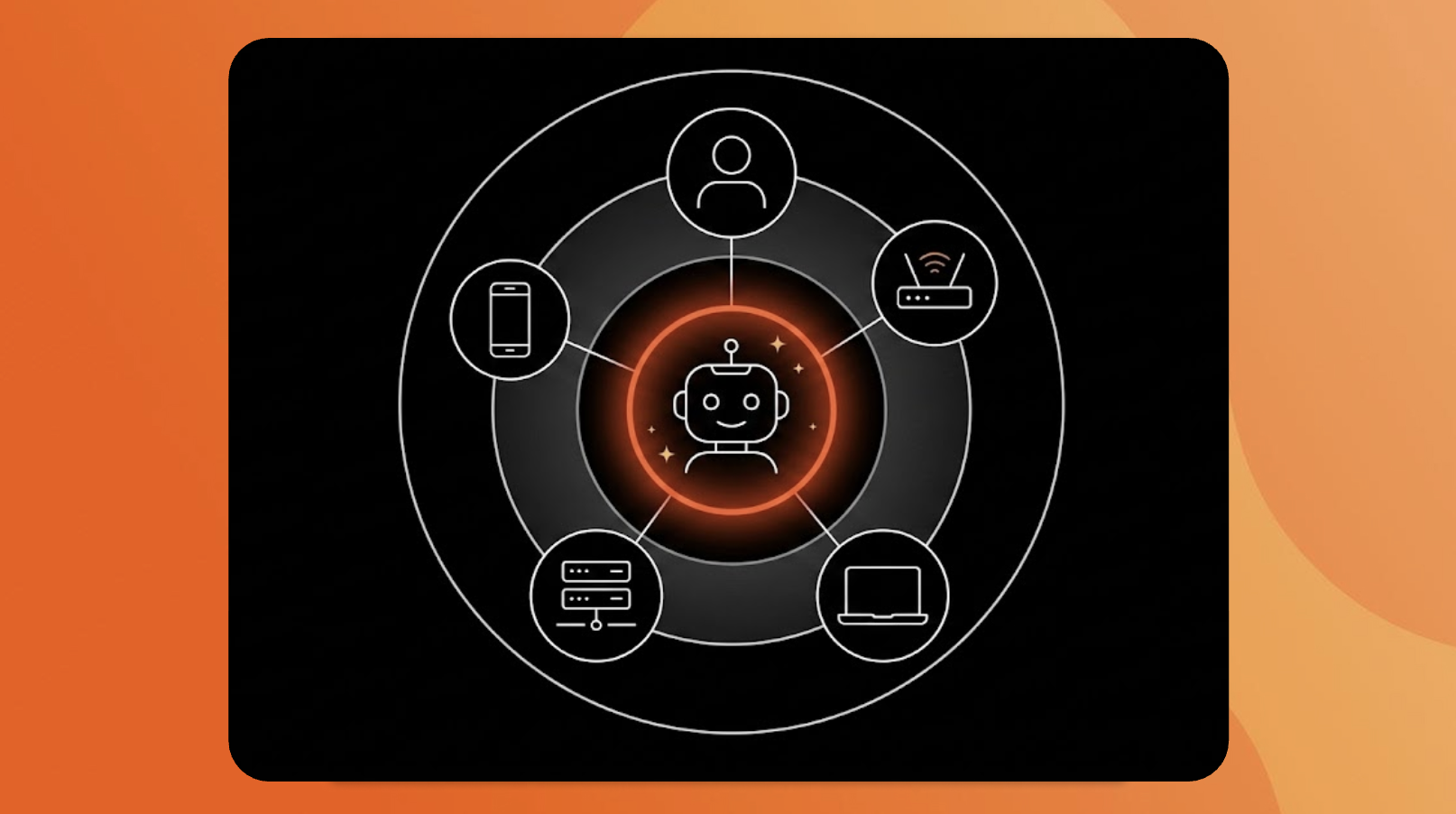
For most of the last decade this was a tolerable inefficiency. Someone would notice a record looked wrong, ask a colleague, check a second console. The human in the loop was the error correction and the cost to remediate discrepancies was measured in hours spent.
Then AI came along and started to change things.
The environment started producing assets faster than any collection cycle can track. A container that runs for nine minutes. A cloud instance that scales up and terminates before the nightly job. An agent workflow that provisions a key, queries a production database, and tears itself down within the hour.
Once asset lifespans drop below the collection cycle, faster snapshots stop helping. You are not capturing less of the environment than before. You are capturing a version that no longer includes the fastest-moving parts.
At the same time, the human checking the answer is being removed. Security teams are handing first-pass triage, scoping, and enrichment to AI systems, and those systems query the inventory and act on what it returns. They have no instinct that a record looks old, no colleague to ask, and no hesitation. A wrong owner field used to cost someone thirty minutes. Now it routes an automated response to the wrong team and closes the loop before anyone reads it.
When taken together, consequences follow. The major problem is that reconciliation has become a tedious job that is obsolete on completion. Teams stitch data across siloed tools to answer basic questions, and by the time the picture is assembled, the environment has moved.
An inherited problem of these processes is that coverage numbers cannot be verified. Every method above eventually requires combining sources, and the moment you combine them you have to decide whether two potentially duplicate records describe the same thing.
What a source of truth would need to do
The most useful solution is not a fourth inventory, as another silo inherits the same problem. What is needed is a reconciliation layer above the stack, and reconciliation has to be continuous for the same reason the inventory drifts. Such a layer needs three properties.
It must collect continuously: The layer pulls from sources on an ongoing basis rather than waiting for a scheduled job, so that every attribute carries the time it was last observed.
It must derive what is absent: The layer compares sources against one another rather than reporting each in turn, so that assets missing from the tools meant to cover them become visible.
It must hold context that survives change: The layer maintains correlation as an ongoing operation rather than a one-time join, so that an asset seen by six tools under six different names stays a single record when the metadata associated with it changes.
A layer with those three properties doesn't replace the inventories underneath it. Your CMDB, your endpoint console, and your cloud provider all keep doing what they already do. The difference is that something is finally watching all three at once and noticing when they stop agreeing.
Where Axonius fits
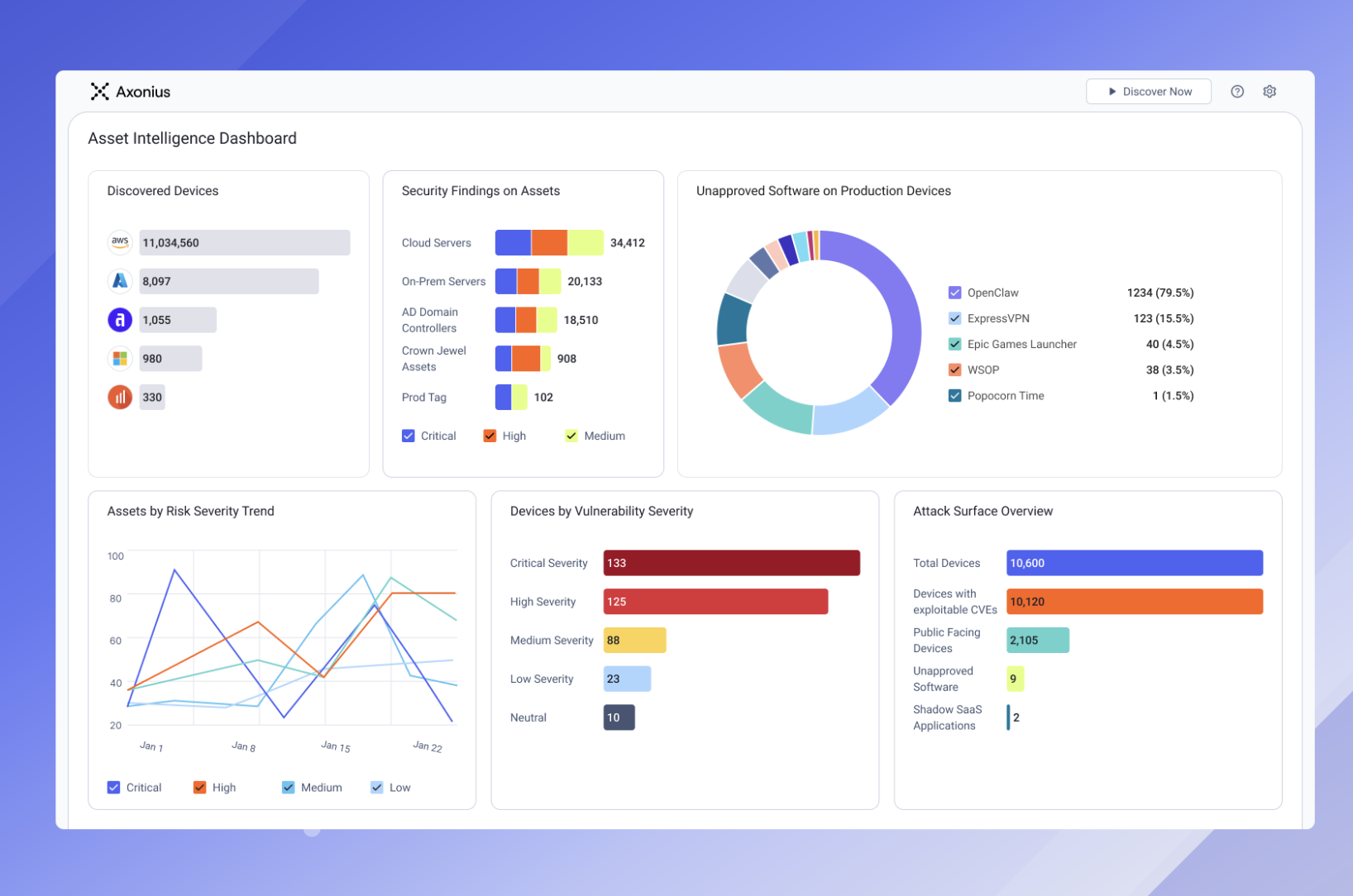
If traditional asset inventories are a point-in-time photograph, Axonius is a multi-camera live stream of the full scene. Axonius continuously aggregates and correlates asset data across security, identity, and infrastructure systems through APIs that connect into the tools you already own.
The reconciliation never stops, so teams are not deciding from a stale export or waiting on the next audit cycle to find out what changed. Missing controls surface as they appear, transient assets are captured while they exist, and remediation can trigger the moment a gap opens rather than the next time someone looks.
The connections run both ways. Axonius acts on the systems it reads from to close gaps, enforce policy, open tracked tickets, and coordinate fixes, then verifies on every sync that the correction holds.
The goal is to give the organization one reconciliation layer that tells you what is there, what is missing, and when it was last checked. The target keeps moving. What changes is that the inventory moves with it, and helps you make sure your security controls do too.
Learn more about the Axonius Asset Cloud.
Categories
- Artificial Intelligence Ai
- Security

Get Started
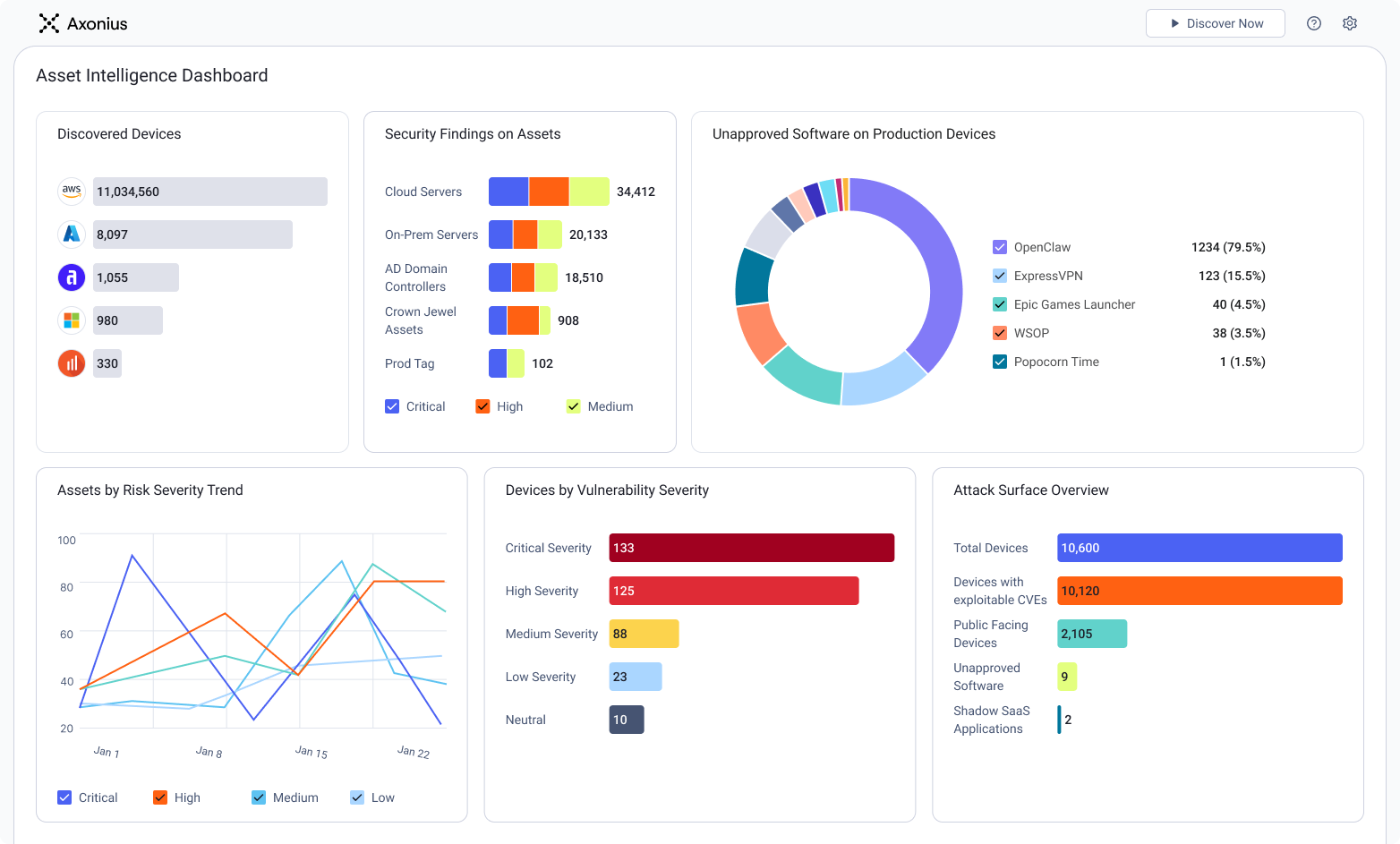
See how to make asset intelligence actionable with a guided demo:
- Stop chasing data — work from one asset model your entire team can trust.
- See what's exposed before it's a problem — surface coverage gaps automatically.
- Turn alert noise into action — cut thousands of alerts down, to the ones that matter.