You can't vibe code your way to coverage

Kamden Schewitz
Product Marketing Manager, Axonius
The first post in this series discussed the manual inefficiencies that point-in-time and static asset inventories produce. The second article looked at the operational risks of these methods and the dangers that stem from assets running without the controls you assume are protecting them.
Both posts landed in the same place. If no single tool can tell you what it is missing, the answer has to come from something that sits above all of them.
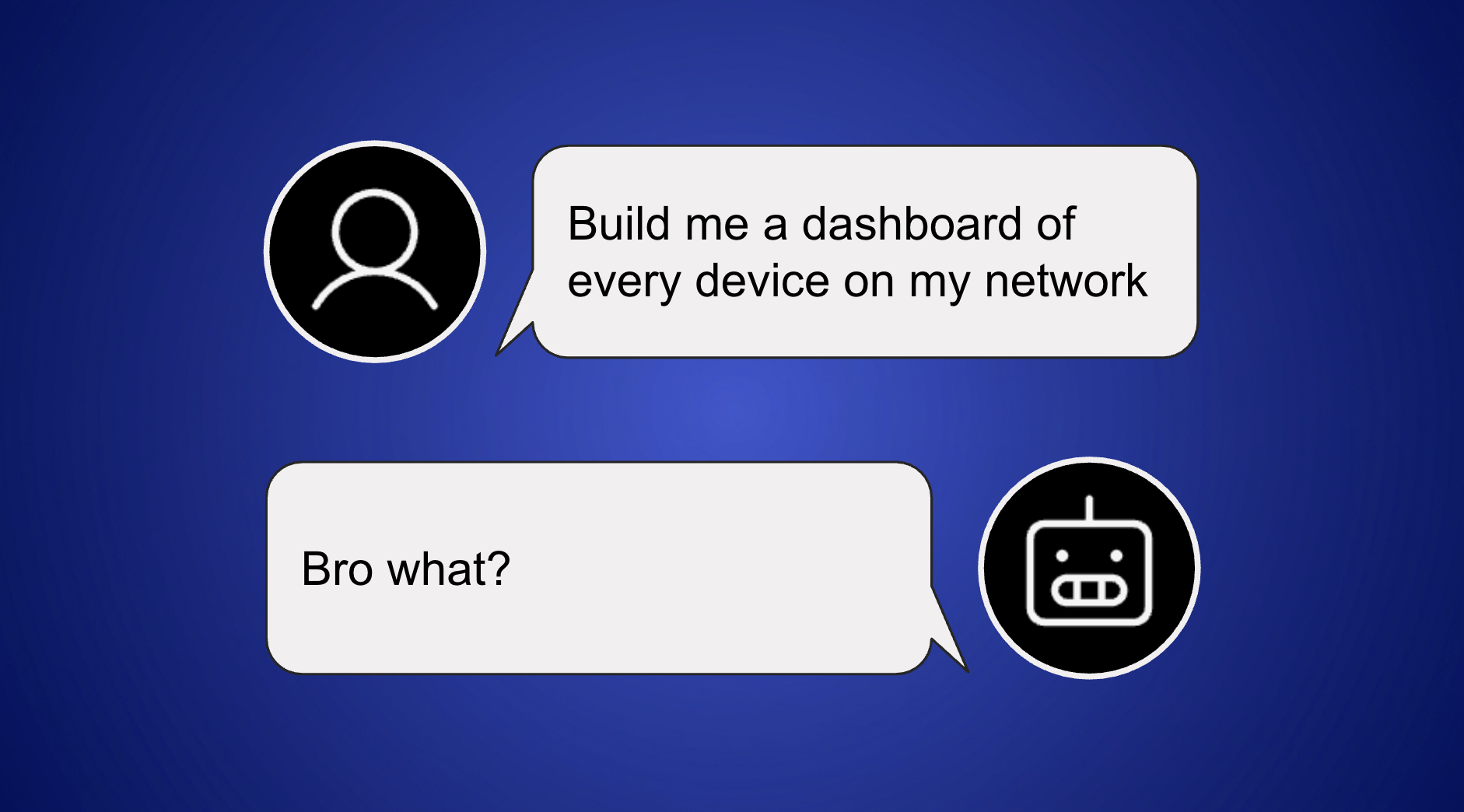
This post is about what happens when you decide to build that something yourself.
The age of the builder
The explosion of AI has changed what security teams can build for themselves. With custom artifacts, Model Context Protocol servers, and flexible plug-ins, an analyst can turn a rough idea into a working internal tool in a few afternoons.
The speed and capability provided by AI provides real value to teams. Work that once sat at the bottom of the backlog because it could not justify a sprint can now get done in hours. Teams can investigate questions earlier, test assumptions before committing engineering time, and explore gaps they might otherwise leave alone.
The barrier to experimentation has dropped dramatically, and security teams are already taking advantage of it.
Can does not equal should
Given all of this, a lot of teams are going to take a run at building their own asset intelligence practice. The pressure is there, the tooling is there, and the alternative is another year of the manual process described in the first two posts. But before you set off on your DIY adventure, there are three major considerations that make the build-your-own approach less attractive than it sounds.
Data quality & trust: AI is known to be very good at pulling in data from multiple sources and presenting it to you in a clean and presentable way, but can you trust the data it gives you without having to manually validate it all yourself?
Collection is the easy part. Correlation is where it gets hard, and security operations depend on that data being right.
Asset intelligence demands deterministic accuracy, continuous normalization, and precise deduplication across disparate schemas. LLMs and lightweight prompt-driven pipelines inevitably guess, miss silent edge cases, or hallucinate asset relationships, creating dangerous blind spots under a facade of coverage.
When it comes to knowing what data to trust, a language model will make that call for you, and it will make it with the same confidence whether it is right or wrong. The problem is there is no error message when the logic is off, only a coverage figure that is silently incorrect and a set of remediation decisions built on top of it.
Managing what you built: Building a small internal tool to streamline your own workflow is a good use of a few afternoons. Building the thing your security operations depend on is a different commitment, and it does not end when the tool starts working.
A tool you build is ultimately a tool you own, and there is no support number or customer success managers to call when something goes wrong. As things grow, change, and move, the AI tooling needs to be updated, expanded, and refactored.
Simply put, building an in-house system turns your security engineers into part-time software maintainers. Managing API updates, broken MCP servers, rate limits, token burn, and custom scripts costs more time and money than manual inventory management ever did.
Depth of support and actionability: Surface-level visibility is useless without actionability. Read-only connectors and custom AI scripts can query telemetry, but they lack the operational context to execute multi-step remediation, route targeted tickets across business units, or enforce policy controls at scale when exposure is detected. Without bi-directional execution native to the system, your team remains stuck doing the manual heavy lifting to actually close the security gaps your DIY tool uncovers.
The pattern across all three is the same. The build gets you to roughly where the spreadsheet got you, faster and with better formatting, and leaves the underlying problem in place. You still have a partial picture assembled by hand, and now you also have software to maintain.
Where Axonius fits
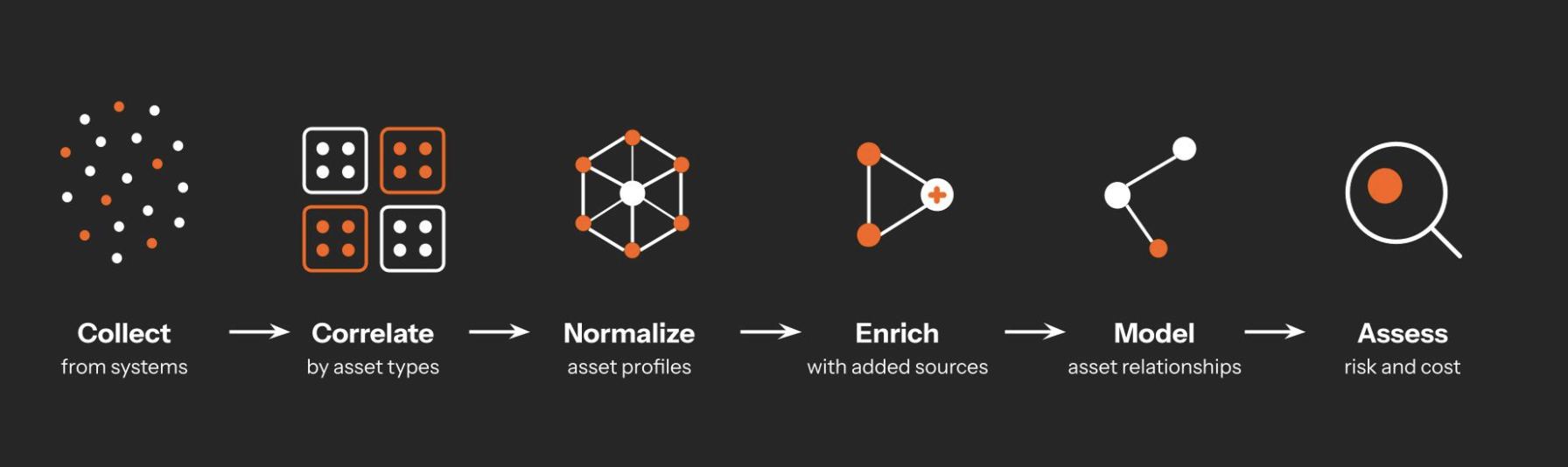
Axonius gives you that complete layer right out of the box. Instead of turning your security team into software maintainers, it plugs into your existing security, identity, cloud, and infrastructure tools and manages the backend integrations for you.
No single tool can show you what it is missing, and lightweight scripts end up guessing when schemas do not match. Axonius uses proven correlation logic to cross-reference data across your entire stack. It automatically flags unmanaged assets and coverage gaps with deterministic accuracy, keeping your inventory reliable as your environment changes.
The platform goes beyond surface-level visibility. Because its integrations are bi-directional, Axonius can automatically deploy missing agents, enforce inactive policies, or route tickets to the right teams, then confirm on the next sync that the gap was actually closed.
The instinct to build your own system comes from a real need for visibility, but a custom script only creates another tool to maintain. Axonius provides traceable evidence directly from your underlying tools, giving you dependable asset data that stands up to audits and internal scrutiny.
Discover how Axonius helps you find, understand, and secure every asset across your enterprise.
Explore a demo.
Categories
- Asset Management
- Artificial Intelligence Ai

Get Started
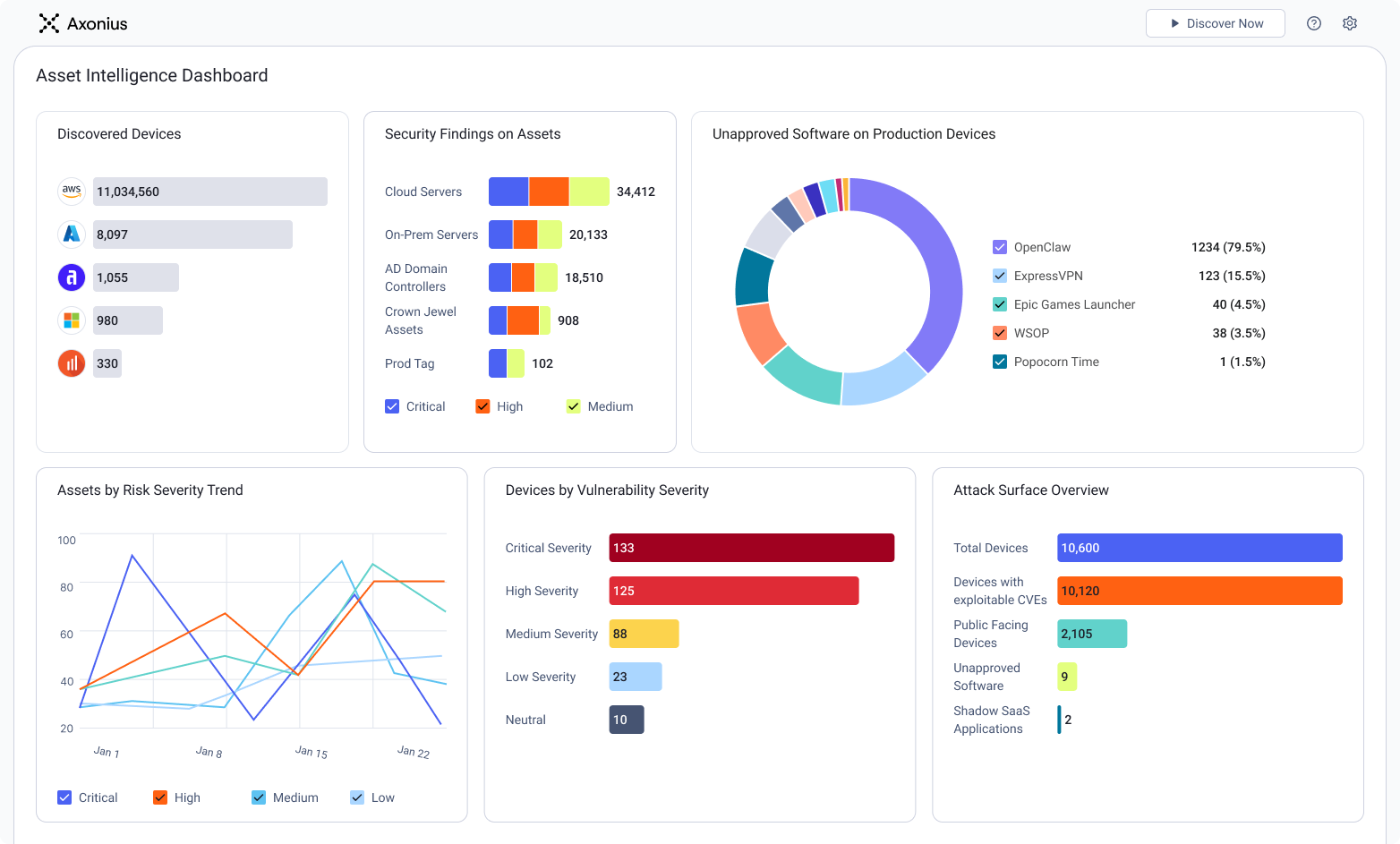
See how to make asset intelligence actionable with a guided demo:
- Stop chasing data — work from one asset model your entire team can trust.
- See what's exposed before it's a problem — surface coverage gaps automatically.
- Turn alert noise into action — cut thousands of alerts down, to the ones that matter.